Pregnancy Loss Support · Singapore
What to Do After a Miscarriage in Singapore
You don't need to figure out the next steps right now. This guide is simply here when you're ready.
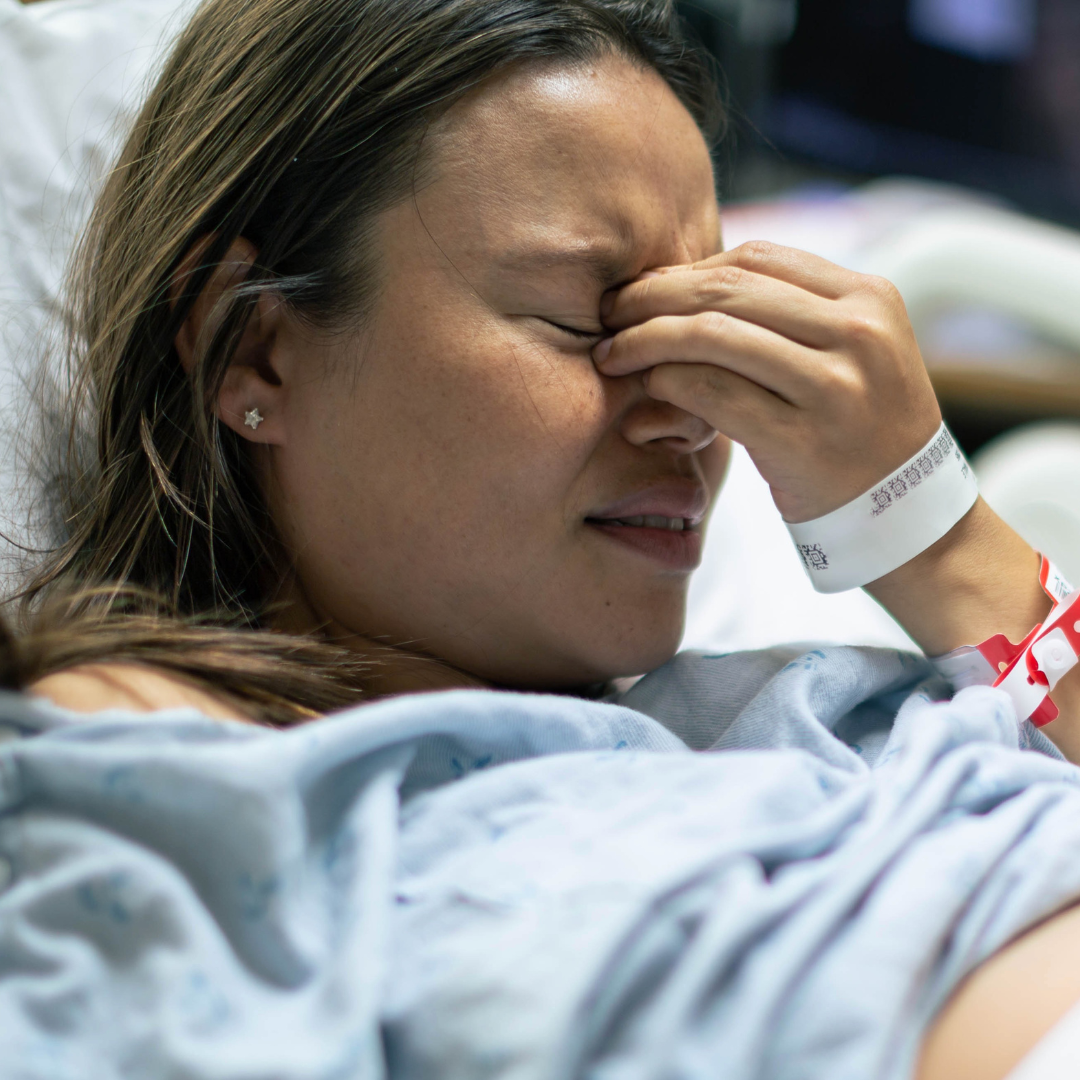
If you have just experienced a miscarriage in Singapore, you may be reading this from a hospital bed, or from your sofa wrapped in a blanket, trying to make sense of something that does not make sense. Perhaps someone sent you this link. Perhaps you found it yourself in the middle of the night.
Whatever brought you here — you are not alone.
First: What You Are Feeling Is Common

There is no correct way to feel after a miscarriage. Some women feel devastated immediately. Others feel numb, or even calm — and then the weight arrives later, when the world has moved on and expects them to have moved on too.
You may experience some or all of the following:
- Profound sadness or despair
- Anger — at your body, at the universe, at friends who are pregnant
- Numbness or a sense of unreality
- Loneliness, even when surrounded by people who love you
- Anxiety about future pregnancies
- Physical aching — your body carried this loss too
And then there is guilt — one of the most common feelings after pregnancy loss, and one worth pausing on.
A note on guilt — and why it may not be the right word.
According to Webster's dictionary, guilt is defined by the intention to cause harm. You experience guilt when you say or do something that is misaligned with your values — deliberately, knowingly.
But a miscarriage is not something you intended. It is not something you caused. The chromosomal and biological factors involved are, in the vast majority of cases, entirely beyond your control.
If you are blaming yourself for something that was not within your power to change, perhaps what you are carrying is not guilt — but regret. A wish that things had been different. A longing for the outcome you wanted so deeply.
That is something entirely human. And it deserves compassion, not blame.
"In Singapore, pregnancy loss is still whispered about, if it is spoken of at all. But grief does not disappear because it is minimised."
What Happens Physically After a Miscarriage
Your body has just been through something significant. Hormonally, physically, and neurologically, the effects of pregnancy loss can linger for weeks.
Common physical experiences include:
- Bleeding and cramping for one to two weeks (or longer, depending on type of miscarriage)
- Breast tenderness as pregnancy hormones decline
- Fatigue that is deeper than ordinary tiredness
- Disrupted sleep, appetite changes, or digestive upset
- Tension held in the shoulders, jaw, or chest
These are not just side effects. They are your nervous system processing what has happened. The body keeps score of grief, and it deserves the same gentleness you would extend to your heart.
What Actually Helps After a Miscarriage
The things people say — and what they miss
Well-meaning people around you may say things that hurt without intending to. Common phrases include:
- "At least it was early."
- "You are still young — you can try again."
- "Time will heal."
However kindly meant, these words can make you feel more isolated — as though the loss has been acknowledged and then quickly filed away. What you lost was not a timeframe or a statistic. It was a baby, and the future you had begun to imagine. That deserves more than a consolation.
Tell the people who need to know — on your timeline
You do not owe anyone your story. Some people find relief in telling family and close friends. Others need privacy to process first. Both are right.
What many bereaved parents find equally valuable is learning to give people something concrete to do. Grief is exhausting, and people around you often want to help but do not know how. Rather than leaving them to guess — or to offer platitudes — consider letting them know specifically what would help you right now.
Nourish your body — gently and deliberately
After a miscarriage, your body has been through blood loss, hormonal shifts, and physical stress. Food is not a fix for grief — but it is a form of care, and your body genuinely needs rebuilding.
Warm protein
- Chicken soup or broth
- Steamed or poached fish
- Soft-boiled eggs
- Tofu in warm broth
- Lentil or bean stews
Iron & energy
- Lean red meat (replenish blood loss)
- Spinach, broccoli, dark leafy greens
- Lentils, red beans
- Pumpkin seeds, nuts
- Brown rice, oats, sweet potato
Healing & repair
- Bone broth (collagen for tissue repair)
- Salmon, sardines (omega-3s)
- Papaya, kiwi, berries (vitamin C)
- Avocado, olive oil (anti-inflammatory fats)
- Ginger and turmeric in warm drinks
Comfort foods
- Warm congee or porridge
- Greek yoghurt with fruit
- Whatever feels like home
- Hot tea — ginger, chamomile
- Favourite foods are allowed
If appetite is low, small and frequent is better than forcing full meals. Smoothies with protein powder, nut butter, and fruit can be an easy way to nourish without overwhelming a tender stomach. And comfort food is allowed — food can be both medicine and kindness at once.
Movement — at your own pace
Gentle movement can help regulate the nervous system and ease the physical tension that grief stores in the body. Start where you are:
- Walks — even 15 minutes, preferably in nature or green spaces
- Restorative yoga — gentle, body-attuned, specifically supportive for grief
- Pilates — once bleeding has settled, for gentle core and body reconnection
- Swimming — the water can feel deeply soothing
- If you were already athletic — cycling, running, or your regular practice — return gradually when your body signals it is ready, not before
There is no timeline for when to start. Listen to your body. Some days, lying on the sofa is the right thing. Other days, a slow walk outside will feel like relief. Both are valid.
Journaling — giving your grief somewhere to go
Writing can be a quiet, private act of grief — a way of saying what you cannot yet say aloud, of honouring what you are feeling without needing anyone to receive it. Many bereaved parents find that journaling helps to externalise grief that is otherwise swirling internally with nowhere to land.
You do not need to write well. You do not need to write every day. You just need a page that can hold whatever needs to come out — including the anger, the unanswerable questions, and the love that has nowhere to go.
If you would like a guided space for this, the Pregnancy Loss Journal has been created specifically for this kind of grief — with prompts that gently meet you where you are, at your own pace.
A Different Kind of Support: Healing Outside the Clinic

Coaching at the beach, park & garden
Most grief support happens indoors, in a clinic, across a desk. My sessions often happen outside — walking barefoot on grass at East Coast Park, sitting near the ocean, feeling the weight of sand beneath your feet. I believe in the quiet power of nature to help a grieving nervous system find its way back to a felt sense of safety.
My approach is less clinical, more human. Sessions weave together mind, body, and emotions — because grief is not only a feeling in the head. It lives in the chest, the shoulders, the belly. It needs to be met in the body as well as in words.
The coaching programme draws from an integrated range of approaches:

Returning to Work After a Miscarriage
Singapore does not currently have statutory miscarriage leave, though advocacy — including in Parliament — is growing. Most women return to work within days of a loss, at a time when their bodies and hearts are still raw.
If you are in this situation: what you are carrying is real, even if your workplace cannot see it. If you can speak to your HR team or manager, please do. You deserve flexibility. You deserve to be seen.
Support Available in Singapore
Support is rarely offered proactively after a miscarriage — you often have to seek it yourself, which can feel like one more thing to manage when you are already exhausted. Here is a clear picture of what exists.
Frequently Asked Questions
What support is available after a miscarriage in Singapore?
Several layers of support exist: hospital medical social workers at KKH, SGH, and NUH; community peer support through Child Bereavement Support Singapore and Angel Hearts; and specialist pregnancy loss coaching through Vernessa Chuah. You do not need to navigate this alone.
How long does grief after miscarriage last?
There is no fixed timeline. Acute grief often begins to ease after several months, but it can resurface at due dates, anniversaries, and trigger moments for years. This is not a sign that something is wrong with you — it is a sign that you loved. With the right support, grief becomes something you can carry rather than something that carries you.
Is it normal to feel guilty after a miscarriage?
It is extremely common. But guilt, by definition, involves the intention to cause harm. A miscarriage is not something you intended. What you may be feeling is closer to regret — a deep wish that things had been different. That is human, not culpable. You did not cause this.
What is the difference between a pregnancy loss coach and a therapist?
A pregnancy loss coach works in co-partnership with you — treating you as whole, capable, and the expert on your own life. Coaching is present- and future-focused, helping you move through grief rather than staying in it indefinitely. A therapist or psychologist is trained to diagnose and treat clinical mental health conditions, and may explore the past in more depth. Both can be valuable — many people benefit from both, at different stages.
I had an early miscarriage. Is my grief still valid?
Completely. The depth of grief after pregnancy loss is not determined by how many weeks along you were. What you grieve is not only the embryo — it is the future you had already begun to imagine. That is real at any gestational age.
You Don't Have to Navigate This Alone
I am Vernessa Chuah — Singapore's first ICF-certified pregnancy and infant loss coach (since 2021). I have supported bereaved parents across Singapore and globally, and I bring both professional training and personal lived experience of loss to this work.
Whether you are not yet ready for one-to-one support, or you know you need something deeper — there is a next step that fits where you are right now. A free discovery call is always the right place to start.